






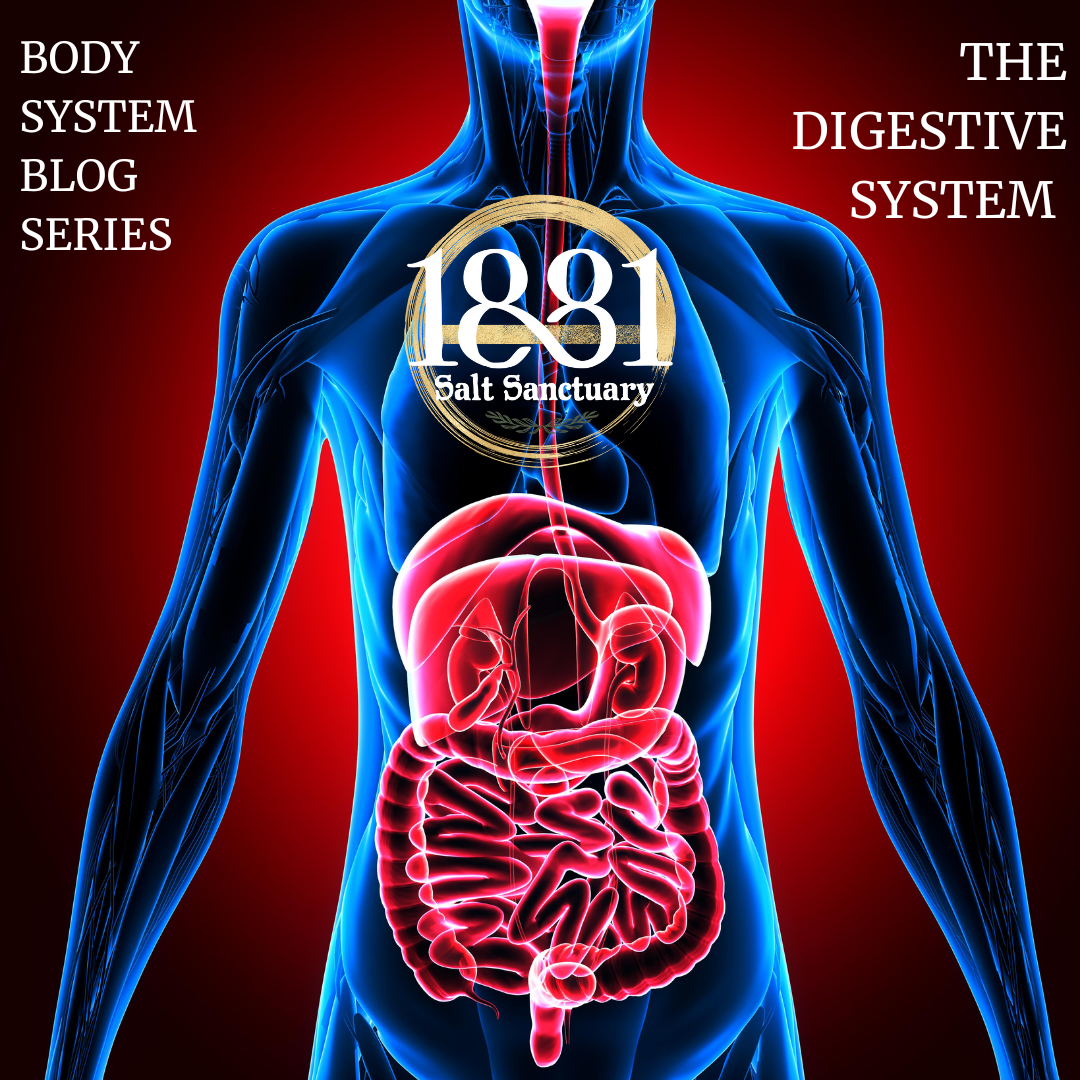

Winter can be a tough time. We’ve situated the start of our calendar year in the middle of a season when we are encouraged to stuff ourselves with sweets. Not to mention that our bodies, which are made to slow down during winter months, conspire with the cold weather to keep us confined and cozy. If you’re feeling the build-up from consumption, stagnation, or both, you may be considering a cleanse. That’s why we’ve chosen this month to do a deep dive on the digestive system.
Your digestive system consists of several organs which help you process the nutrition you take in and eliminate what you don’t use. Your GI tract contains your stomach and extends from your mouth to your anus. It’s joined by your pancreas, liver, and gall bladder, which all work together to keep things moving to and through their respective destinations.
Digestive organs
GI Tract
Your GI Tract is the star of the digestive show. In fact, if you were to stretch it out, it would be about 30 feet long, or (probably) about 5-6 times your height! Digestion starts as soon as you put food in your mouth, where your teeth and salivary glands get to work on breaking things down. Next, it heads to your esophagus, which engages a process called peristalsis. In this process, the muscles of your GI tract push food along. It then hits your stomach, which digests food further using acids, enzymes, and bile. Sometimes these fluids creep up into the esophagus causing acid reflux, which impacts nearly a third of adults in the US. While structural deficits between the stomach and esophagus can be at play, stress and diet are major contributors to the issue.
Peristalsis begins again in the small and large intestines which continue to break down food with digestive juices and bacteria. The last section of the tract is the rectum, which stores and pushes out stool. Throughout this process, nutrients from your food are transported to other parts of your body through your bloodstream. Just like the upper GI tract can flare up with acid reflux, IBS is a common condition impacting this part of the body. Again, stress and diet are major contributors.
Liver
Livers are incredible on several levels. First of all, they’re capable of regenerating themselves, a symbol of the endless opportunities we have to renew aspects of our health. Your liver stores fats, vitamins, and other nutrients to be released when your body needs them. Glucose is one of these essential nutrients, which your liver supplies and restricts from the body. In this way, it works with the pancreas to control blood sugar. But that’s just the beginning. Its functions are many and essential.
If you’ve ever done a cleanse or weighed the impact of alcohol on your body, you know the liver works hard at detoxification. When it’s inundated with this kind of work, it can become difficult for it to perform its other tasks, leading to diseases like cirrhosis and non-alcoholic fatty liver disease. The liver produces bile, which is involved in digestion and breaks down bilirubin, a waste from red blood cells. Yellowing skin, or jaundice, occurs when there’s a build-up of this chemical, which is a telltale indicator of liver issues. It also produces protein, assists with blood clotting, and plays a role in immune function.
Pancreas
As you learned from our discussion of the liver, the pancreas is an organ that helps regulate blood sugar. It does so by producing the hormones insulin, glucogen, and somatostatin. It also produces digestive fluids that help the body break down food. When the pancreas can’t make enough insulin or your body becomes resistant to the insulin it puts out, it’s called diabetes. Diabetes is a very serious, and very common, disease in the US, and numbers continue to rise. Diet and lifestyle are major contributing factors to Type-2, which accounts for the vast majority of diabetes cases. Type-1 comes from a condition in which the body’s own immune system destroys the pancreas’s ability to function properly.
Gallbladder
The last organ of the digestive system we’ll discuss is the gallbladder. It stores bile between meals and sends it to the stomach for digestion. Chances are, you won’t hear much about it unless there’s a problem with it. Gallstones are hardened deposits of bile which block and irritate the organ, sometimes leading to surgery to remove it.
Caring for your digestive system

You may have noticed a consistent theme when we were going over the organs of the digestive system. Diseases and disorders relating to this system are not only some of the most common afflictions in the US, but we can often trace them directly back to our diet and lifestyle. We’ll unpack a few of the main factors contributing to digestive problems.
Stress
Stress has both an immediate and a long-term effect on our digestion. If you’ve ever been filled with anxiety over test results, waited up for a child to return home, or had a difficult conversation with a partner, you’ve probably felt your stomach drop and churn. When fight or flight gets activated, you may even feel sudden bouts of indigestion or diarrhea. Then, there’s the long-term impact of stress, which can produce issues like GERD, IBS, and even stomach ulcers.
We may not be able to prevent stress in our lives. Work must be done. Bills will come due. Friends and family will make mistakes. Life will keep on happening and adding to your proverbial plate.
What we can manage is how we respond to stress. We know we say this a lot, but some of our favorite methods of mitigation are mindfulness and breathwork. Using these techniques to center yourself can help tell the body you’re safe and help your systems, including digestion, to stand down.
Getting enough exercise, sleep and relaxation are also indispensable tools in your toolkit for limiting stress.
Diet
Diet impacts every system of the body. As the saying goes, you are what you eat. The nutrients we take in are necessary to keep everything going, including the very system that processes them. When we take in too little or too much, the digestive system is the first thing to feel it.
The standard American diet is no friend to our digestive organs. Perhaps the biggest threat it poses to our health is the amount of sugar in our food supply. The digestive system loves sugar, which was much more scarce in the early days of human evolution. Today, it occurs in abundance both naturally as the main energy source in carb-heavy foods and unnaturally as an additive in processed foods. When we eat processed foods, we also miss out on the crucial fiber that comes with whole grains and fruits. Sugar is essentially addictive, releasing endorphins in our brain along with signals to take in and store up as much as we can. It gives us short bursts of energy followed by major crashes and fatigue. It can cause imbalances of yeast and bacteria in the body. Excess sugar gets stored as fat, which can lead to the myriad problems caused by fat and obesity. Additionally, it’s behind our national diabetes epidemic. Other than the fact that it’s delicious, there aren’t many nice things to say about sugar. Try to limit how much of it you eat and be judicious about what kind you eat. Many people even find themselves happier by simply eliminating it altogether. Natural sugars from sources like honey are preferable to processed ones like high fructose corn syrup. Beware of sugar substitutes, which may actually trick your body into initiating the same processes it would if you ate real sugar.
Unfortunately, sugar isn’t the only hallmark of a less-than-deal diet. Caffeine and alcohol are our nation’s favorite upper and downer, and both wreak havoc on our digestive system. Like sugar, it may seem impossible to eliminate this altogether. Caffeine has definite cognitive upsides, while alcohol’s social role is indisputable. We won’t tell you to abandon them altogether if that doesn’t feel like something that’s right for you, but we will encourage you to limit your intake. Try just one cup of coffee in the morning or switch to milder black tea. Stick to the recommended guidelines on alcohol and avoid bingeing. (If alcohol is something you think detracts from your overall happiness and wellbeing, please know that there’s no shame in sobriety. In fact, there’s a growing culture around not drinking.)
Doing a cleanse where you eliminate one or all of these things from your diet for a spell can help you to break bad habits. Additionally, it can help you identify things that make you feel sick. You can even try it with other common inflammatory ingredients like dairy, soy, meat, and gluten.
Exercise
We already mentioned exercise for the role it plays in reducing stress. We also want to note that getting enough exercise is a great way to aid digestion. It’s also necessary to combat diseases like diabetes and heart disease. You can start small with simple walks and work your way up to the routine of your dreams. Just know that when your lungs and limbs stop feeling sluggish, your digestive system will soon follow.
Helpful herbs and supplements

Any good apothecary is likely chock full of herbs that can aid digestion. We’re going to list a few that you can easily incorporate into your lifestyle.
- Prebiotics are fiber required to feed gut bacteria which helps you to digest food properly. Fiber supplements are a good source, as are bananas, oats, garlic, and chicory root.
- Probiotics are bacteria that set up shop in your digestive system and get to work breaking down food. You can find them naturally in foods like yogurt, kimchi, and kombucha.
- Ginger is tried and true for nausea and upset stomachs. It’s even safe for pregnant women.
- Peppermint helps to relax the muscles in your GI tract, which can help relieve gas and bloating.
- Fennel is an antispasmodic, which also helps to relax those hard working GI muscles.
- Marshmallow, slippery elm, and licorice all help to create a smooth coating of mucus to line the stomach and prevent damage from digestive juices.
- Milk thistle is a superhero when it comes to liver health. Use it to help with maintenance or as an assist after a rough night.
- Dandelion root can help with your liver and gallbladder. It also acts as a mild laxative making dandelion tea a great replacement if you cut down on caffeine.
- Cinnamon is believed to help control blood sugar and combat diabetes.
The list goes on and on. Don’t hesitate to reach out and let us help you find the perfect herbs to support your digestive health!
Leave a Reply