






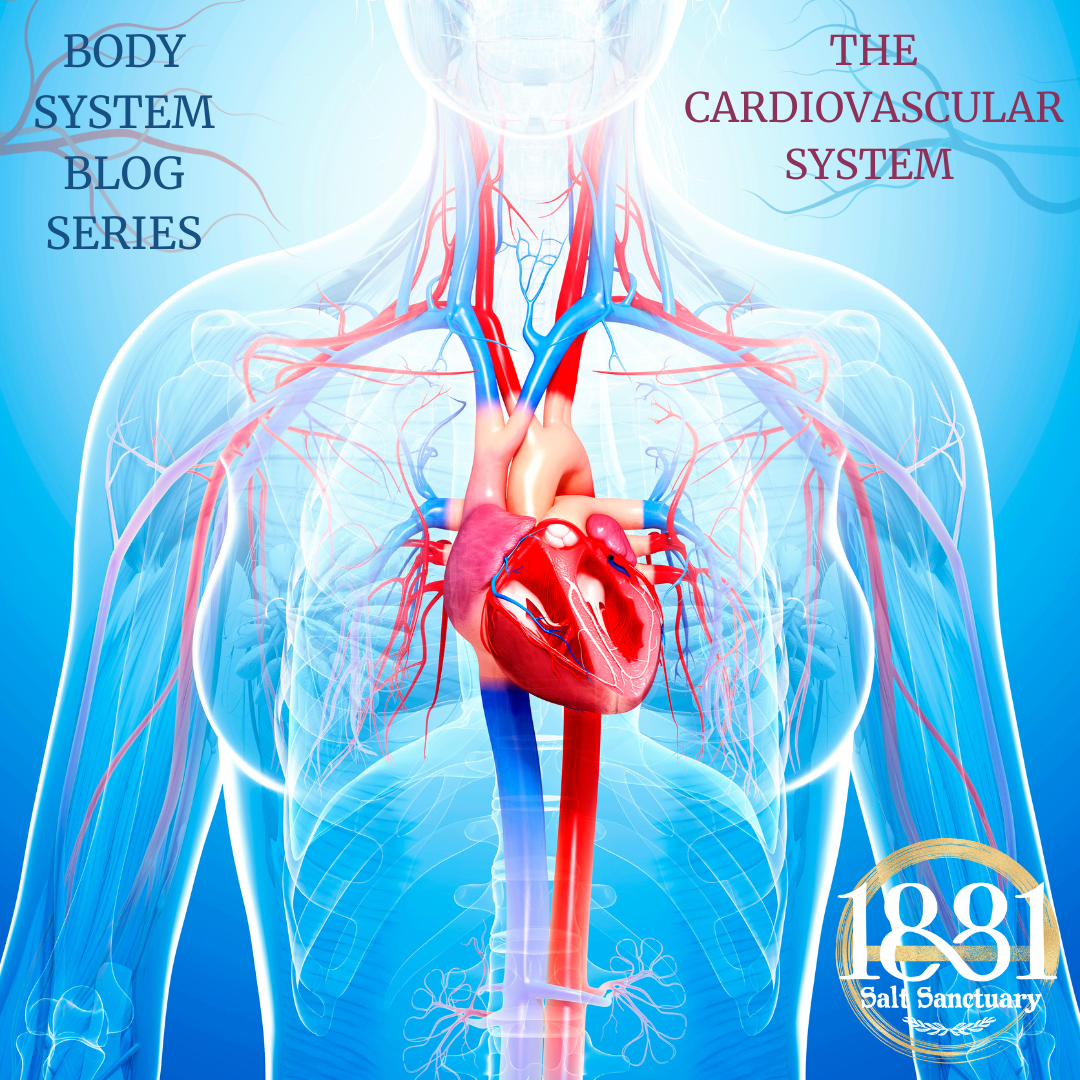
The Marvel of the Cardiovascular System: How Your Heart Keeps You Alive
The cardiovascular system is often called the body’s “superhighway,” delivering life-sustaining blood to every organ, muscle, and cell. Though we may take it for granted, this system works nonstop behind the scenes to keep us alive, active, and thriving. In this post, we’ll explore how the cardiovascular system works, why it’s vital to your health, and practical tips to keep it strong.

What is the Cardiovascular System?
The cardiovascular system, also known as the circulatory system, consists of three main components:
-
Heart: A powerful muscular pump that moves blood through the body.
-
Blood vessels: Arteries, veins, and capillaries that transport blood to and from the heart.
-
Blood: A fluid rich in oxygen, nutrients, hormones, and immune cells.
Together, these elements create a closed-loop system that:
-
Delivers oxygen and nutrients to tissues
-
Removes carbon dioxide and waste products
-
Supports immune defense
-
Regulates body temperature
-
Helps maintain fluid balance
How Does It Work?
At the center of it all is the heart, which beats roughly 100,000 times per day. Here’s a quick breakdown of the process:
-
Oxygen-poor blood flows from the body into the right atrium of the heart.
-
It moves into the right ventricle, which pumps it to the lungs.
-
In the lungs, blood picks up oxygen and releases carbon dioxide.
-
Oxygen-rich blood returns to the left atrium and then the left ventricle.
-
The left ventricle pumps the blood through the aorta and into the arteries, delivering oxygen and nutrients throughout the body.
It’s an elegant and efficient system that adapts to your body’s needs — whether you’re resting, running, or recovering.
Why Is Cardiovascular Health So Important?
When the cardiovascular system is healthy, it promotes:
-
Steady energy levels
-
Good brain function
-
Proper immune response
-
Efficient removal of toxins and waste
However, when this system is compromised — as in hypertension, atherosclerosis, or heart failure — it can lead to serious conditions like heart attack, stroke, or chronic fatigue.
Top Tips to Keep Your Cardiovascular System Healthy
Fortunately, many heart-friendly habits are simple and enjoyable:
✅ Stay Active: Aim for 30 minutes of moderate exercise most days (like walking, cycling, or dancing).
✅ Eat Heart-Healthy Foods: Focus on fruits, vegetables, whole grains, lean protein, nuts, and healthy fats like olive oil and avocados.
✅ Avoid Smoking: Tobacco damages blood vessels and increases heart disease risk.
✅ Manage Stress: Chronic stress can raise blood pressure and inflammation. Try deep breathing, yoga, or meditation.
✅ Get Quality Sleep: 7–9 hours of restful sleep supports heart repair and blood pressure control.
✅ Keep Up With Checkups: Regular blood pressure, cholesterol, and glucose checks help catch problems early.
Final Thoughts
Your cardiovascular system is one of your body’s greatest assets — a hardworking network that keeps you alive and thriving. By showing it some love through movement, nutrition, and mindful living, you can keep your heart and vessels strong for years to come.
Remember: Small changes can make a big difference. Start today, and let your heart thank you tomorrow!
Leave a Reply